
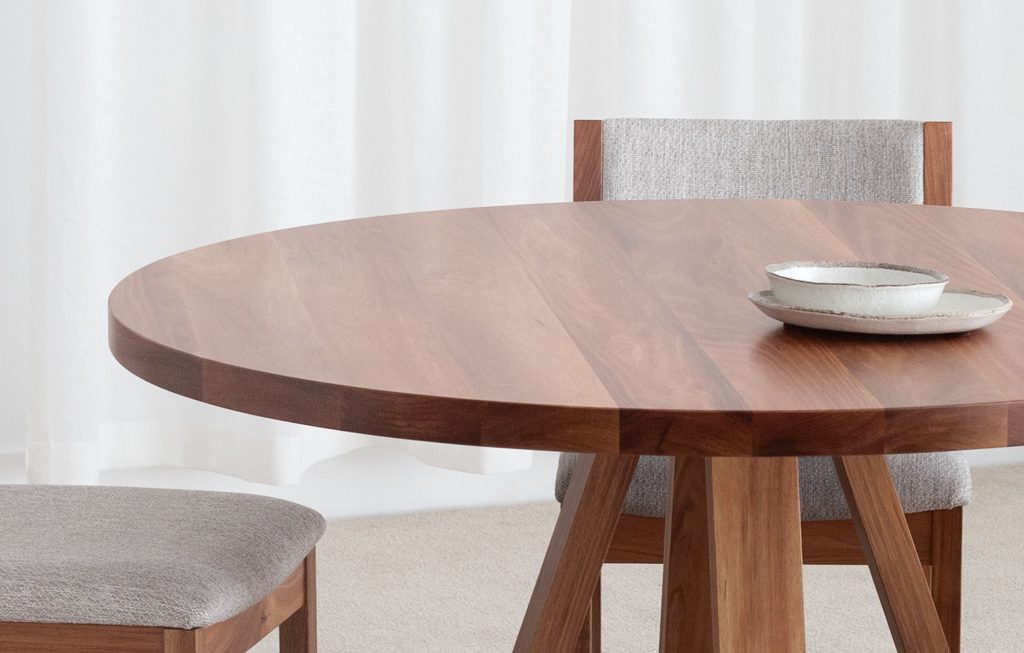
What should they measure first in the dining area?
They should start with the usable footprint, not the overall room size. That means measuring the space where the table will actually sit, plus the paths people will use around it.
A reliable rule is to keep at least 36 inches (90 cm) of clearance from the table edge to walls or furniture. If the area is a main walkway or they expect frequent traffic, 42–48 inches (105–120 cm) feels noticeably easier.
How do they choose the right table size for their household?
They should match table length and width to both the number of people and the clearance needed for chairs. A table that “technically fits” can still feel cramped once chairs pull out.
As a quick guide, they can allow 24 inches (60 cm) of table edge per person for comfortable elbows. For depth, many people prefer at least 36 inches (90 cm) wide so shared dishes fit without crowding place settings.
Which table shape works best in small spaces?
A space-optimised dining tables and chairs configuration in compact interiors typically benefits from round or oval table geometries, as the absence of rigid corners improves circulation efficiency and reduces obstruction in high-traffic walkways. From a usability standpoint, this layout also enhances seating flexibility, allowing additional place settings to be accommodated more seamlessly when demand increases, without materially disrupting spatial flow or comfort ergonomics.
If they want a rectangular look in a small space, they can consider a narrower width or an extendable design to keep daily use compact.
When should they pick a round, oval, or rectangular table?
They should pick the shape that matches the room’s proportions and how people move through it. Rectangles suit longer rooms and larger groups, while round tables suit square spaces and more conversational seating.
Oval tables sit in the middle, offering softer edges like a round table but a longer surface like a rectangle. That can be useful when they want seating flexibility without a boxy feel.
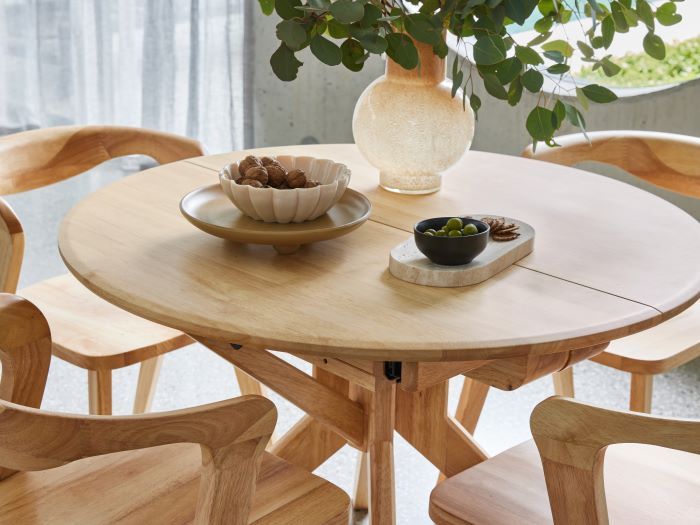
How can they plan chair spacing so seating feels comfortable?
They should plan for both elbow room and chair pull-out space. Even a perfectly sized tabletop can feel uncomfortable if chairs knock into walls or into each other.
A practical approach is to keep at least 6 inches (15 cm) between chairs at the table edge, and ensure chairs can pull back without hitting a wall or sideboard. If the space is tight, armless chairs or slimmer silhouettes can help.
What dining chair height and proportions should they look for?
They should prioritize a comfortable relationship between seat height and tabletop height. Most dining setups work well when there is about 10–12 inches (25–30 cm) between the chair seat and the underside of the table.
They should also check chair width and depth, especially if multiple chairs sit on one side. A slightly narrower chair can dramatically improve comfort for groups, because it preserves personal space.
Should they choose armchairs, armless chairs, or a bench?
They should choose based on how the table is used day to day. Armchairs can be comfortable and add presence, but they take up more room and may not tuck fully under the table.
Armless chairs are easier for tight clearances and flexible seating. Benches can seat more people in less space and slide fully under the table, but some guests find them less comfortable for long meals.
How do they match table and chair styles without making the room look busy?
They should aim for one strong anchor and one supporting element. For example, a bold table pairs well with simpler chairs, while a simple table can handle more character in the seating.
They can match by repeating a detail like wood tone, leg shape, or upholstery color. Mixing is often more interesting than buying a perfectly matching set, as long as the heights and proportions stay consistent.
Which materials are best for their lifestyle and maintenance needs?
They should pick materials based on how the dining area is actually used, not just how it looks in photos. A household with kids or frequent entertaining may value durability and easy cleaning over delicate finishes.
- Solid wood: warm and long-lasting; can scratch but often refinishes well.
- Veneer: more budget-friendly; avoids some warping but can be harder to repair.
- Glass: visually light; shows fingerprints and needs frequent cleaning.
- Stone or ceramic tops: durable and heat-resistant; heavy and sometimes higher cost.
- Upholstered chairs: comfortable; benefit from performance fabrics for stain resistance.
Should they buy an extendable table or a fixed-size table?
They should choose extendable if they host occasionally but want a smaller footprint most days. Extendable tables can turn an everyday dining spot into a holiday-ready setup without forcing a large table into the room year-round.
Fixed tables are simpler and often sturdier, with fewer seams and moving parts. They work best when the household regularly uses the full seating capacity.
How can they make sure the set fits their lighting, rugs, and storage?
They should check vertical and surrounding elements, not just floor space. A pendant light should align with the table’s center and scale, and a rug should extend beyond pulled-out chairs.
As a rule, they can choose a rug that extends at least 24 inches (60 cm) beyond the table edges. If they use a sideboard, they should keep it accessible without blocking chair movement.
What should they check before buying to avoid expensive mistakes?
They should confirm measurements, comfort, and real-world use. That means checking table height, apron clearance, chair dimensions, and delivery constraints like doorways and stairwells.
If possible, they should sit in the chairs for several minutes, not just a quick test. Comfort shows up in back support, seat depth, and how easily the chair tucks in without bumping knees or table legs.
How do they choose the best dining tables and chairs for their space?
They should choose a set that supports how they live: enough clearance to move, enough room to sit comfortably, and materials that suit their routine. When in doubt, slightly smaller with better spacing usually feels more luxurious than oversized and cramped.
A good final check is simple: if they can walk around it easily, pull chairs out without obstacles, and imagine daily use without fuss, they have likely found the right dining tables and chairs.
FAQs (Frequently Asked Questions)
What is the first step to measure when planning a dining area?
Start by measuring the usable footprint where the table will actually sit, including the paths people will use around it. Ensure at least 36 inches (90 cm) of clearance from the table edge to walls or furniture, and 42–48 inches (105–120 cm) if it’s a main walkway or high traffic area.
How do I choose the right dining table size for my household?
Match the table length and width to both the number of people and the clearance needed for chairs. Allow about 24 inches (60 cm) of table edge per person for comfortable elbow room and prefer a depth of at least 36 inches (90 cm) so shared dishes fit without crowding place settings.
Which table shape is best suited for small dining spaces?
Round or oval tables work best in smaller rooms because they have no sharp corners that steal walkway space and make it easier to add extra seating when needed. For a rectangular look in tight spaces, consider narrower widths or extendable designs to keep daily use compact.
How should I plan chair spacing to ensure comfortable seating?
Plan for both elbow room and chair pull-out space by keeping at least 6 inches (15 cm) between chairs at the table edge. Make sure chairs can be pulled back without hitting walls or sideboards. In tight spaces, opt for armless or slimmer chairs to improve comfort and flexibility.
What materials are best for dining tables and chairs based on lifestyle and maintenance?
Choose materials that align with household usage patterns and maintenance expectations, guided by dining furniture material selection and durability-performance trade-off principles. Solid wood provides warmth and long-term durability but is susceptible to surface scratches. Veneer offers a cost-effective alternative, though it is more difficult to restore if damaged. Glass creates a visually light aesthetic but requires frequent cleaning to maintain appearance. Stone or ceramic tabletops deliver high durability but add significant weight and handling considerations. Upholstered chairs enhance comfort and are best paired with stain-resistant fabrics to support everyday practicality.
Should I buy an extendable or fixed-size dining table?
Opt for an extendable table if you host occasionally but prefer a smaller footprint daily, as they offer flexibility without occupying too much space year-round. Fixed tables are simpler, sturdier, with fewer moving parts, ideal if you regularly use full seating capacity.